

• Main Group Chemistry and Molecular Magnetism

Facilities


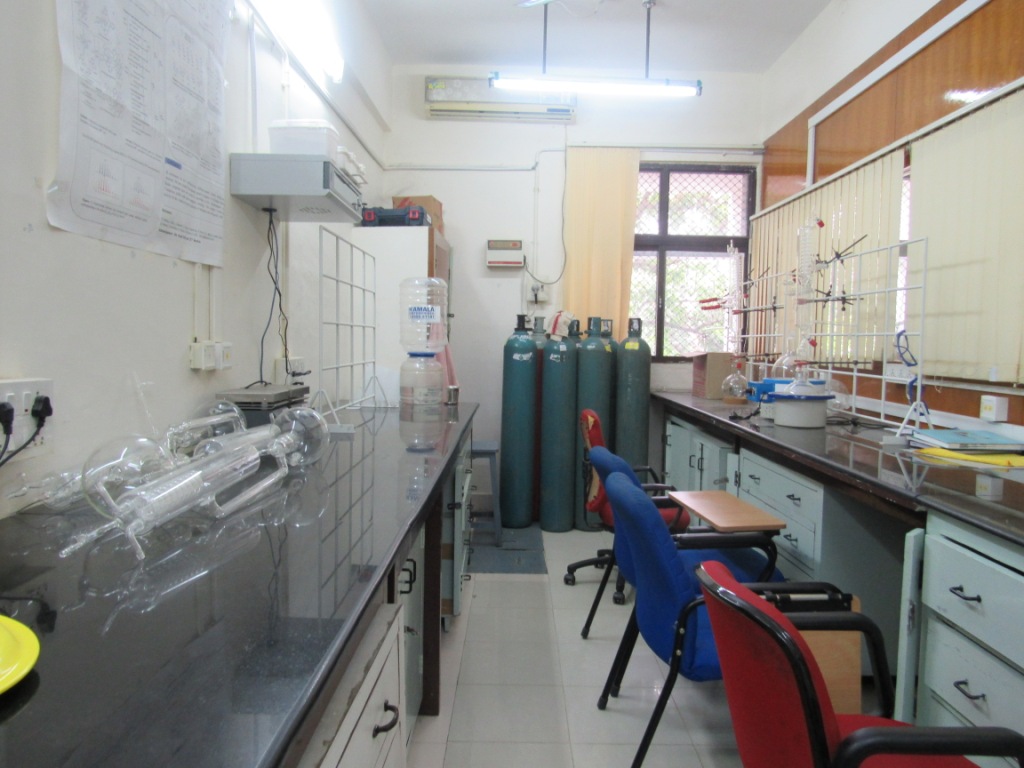
Overview of laboratory


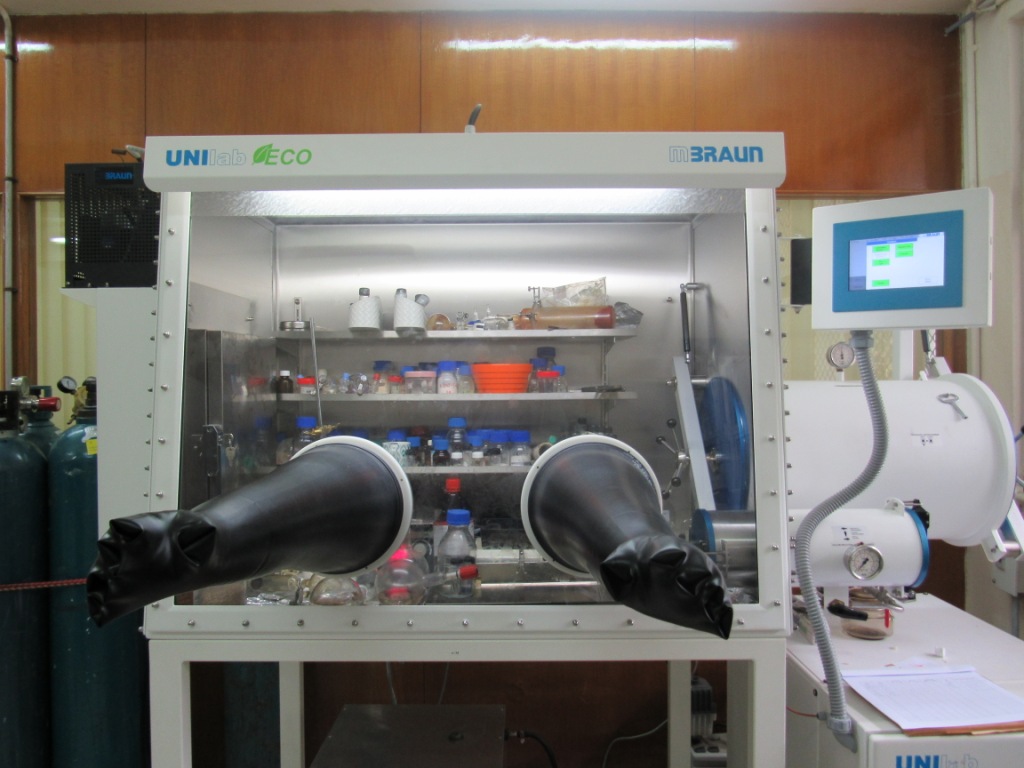
MBraun Eco Plus Glove Box

A glove box is a sealed workstation that maintains a high-purity inert atmosphere, typically argon, enabling users to handle sensitive materials without exposure to air or moisture. The operator accesses the interior through built-in gloves, allowing for the manipulation of substances while maintaining containment. A smaller antechamber (transfer chamber) serves to introduce or remove items without disturbing the controlled environment of the main chamber.

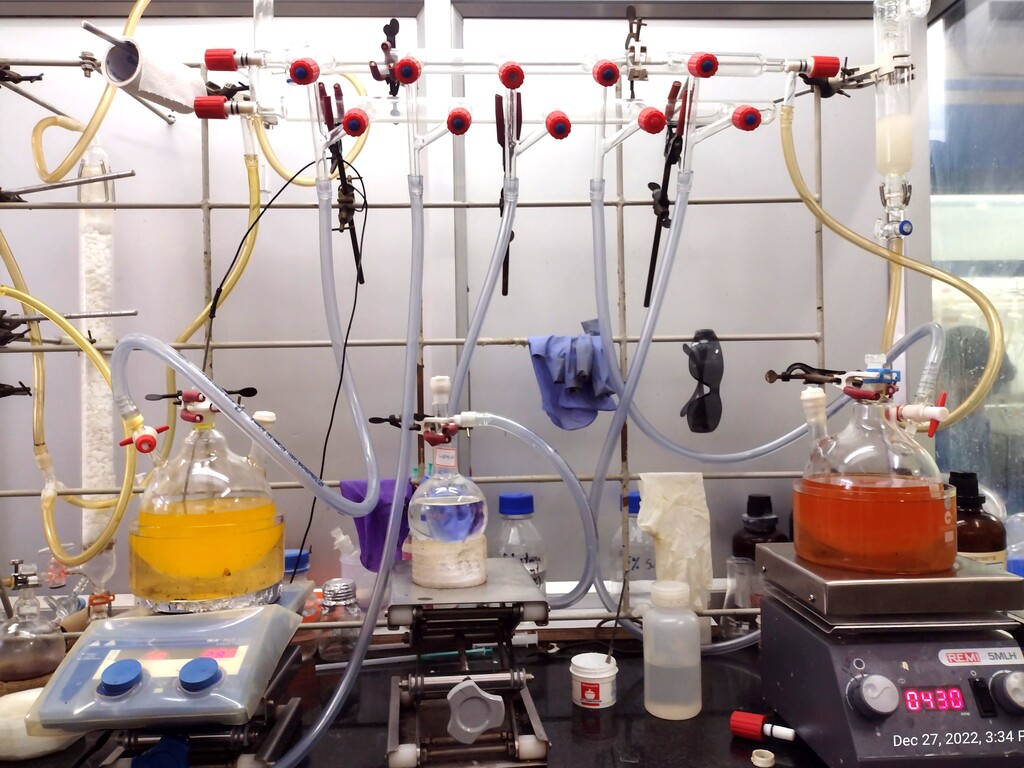
Schlenk Line

A Schlenk line is a dual-manifold glass apparatus used to handle air- and moisture-sensitive compounds under an inert atmosphere and vacuum. It typically connects one manifold to an inert gas source (N₂ or Ar) and the other to a vacuum pump, enabling safe degassing, solvent removal, and air-free synthetic operations.

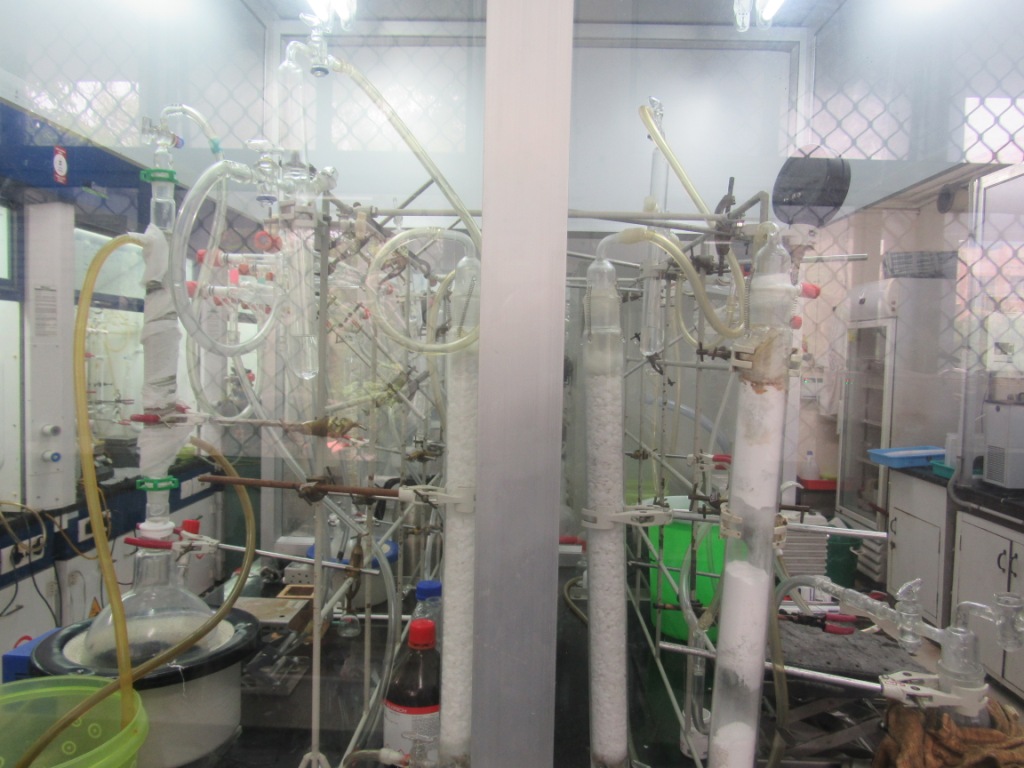
P2O5 and KOH Columns

Two columns packed with P₂O₅/KOH columns and glass wools are used to purify inert gases by removing moisture and acidic or basic impurities. In a Schlenk line setup, the inert gas is further passed through a P₂O₅ column to efficiently trap water and through a KOH column to remove acidic contaminants such as CO₂, ensuring a dry, clean gas stream for air- and moisture-sensitive manipulations.

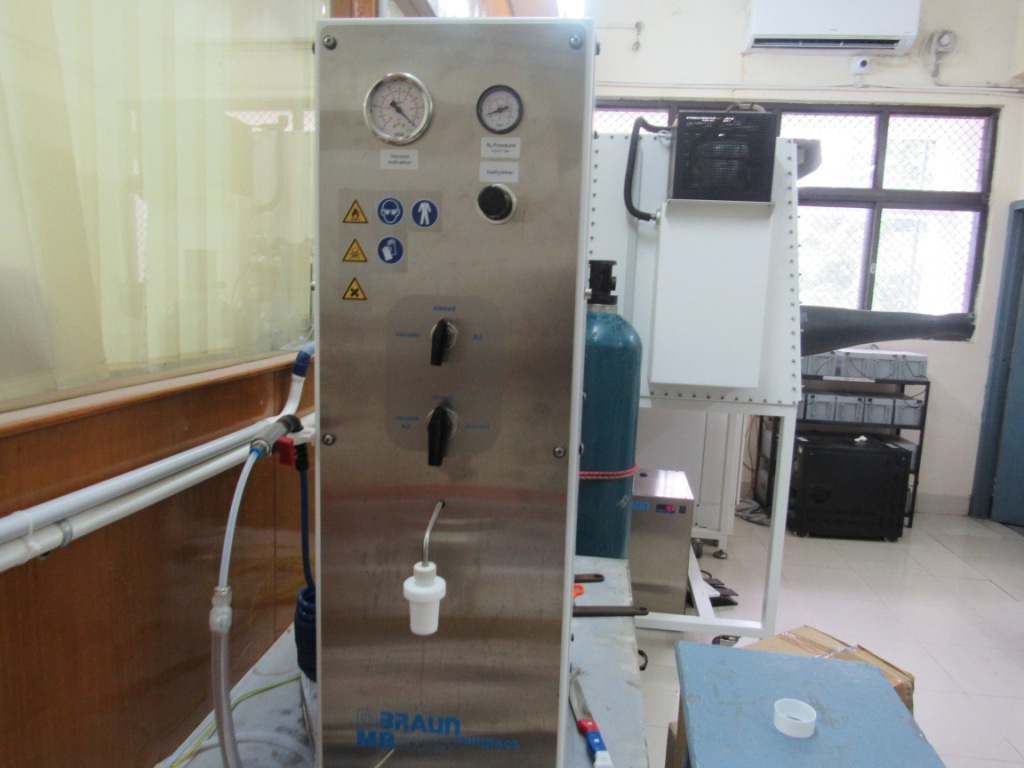
Automated Solvent Purification System

A solvent purification system (SPS) is an automated apparatus that delivers dry, oxygen-free solvents for air- and moisture-sensitive syntheses by passing them through packed columns of activated alumina and oxygen scavengers. In a typical setup, solvents from reservoirs are pressurized with inert gas (N2 or Ar), filtered through drying columns, and dispensed into evacuated flasks under an inert atmosphere, ensuring ultra-low water and O2 levels (<1 ppm).

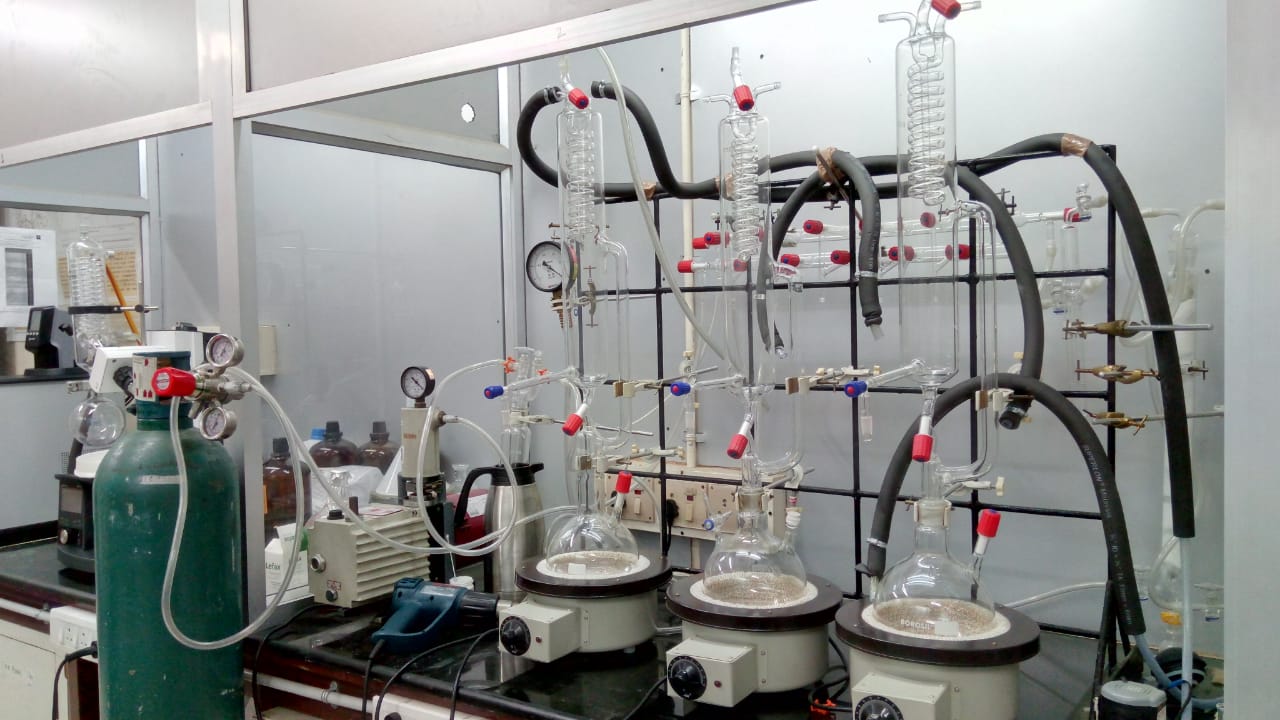
Manual Distillation Set-up

A manual distillation setup equipped with sodium-benzophenone/metal hydrides drying agent ensures anhydrous conditions for purifying solvents used in air-sensitive synthetic chemistry experiments.

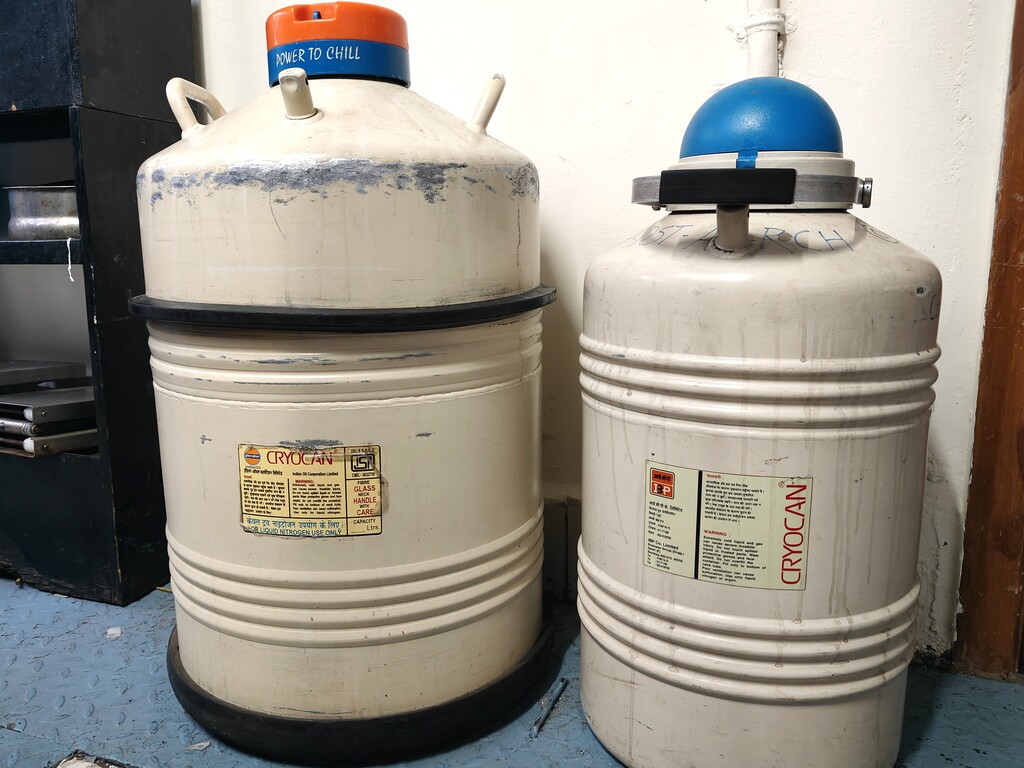
Cryogenic Cans

Cryogenic cans are portable, double-walled aluminum dewars designed for storing and transporting liquid nitrogen at -196 °C. In laboratory settings, they maintain low evaporation rates for short-term storage of cryogenically cooled samples or solvents, often fitted with insulated necks and handles for safe handling during transfers.

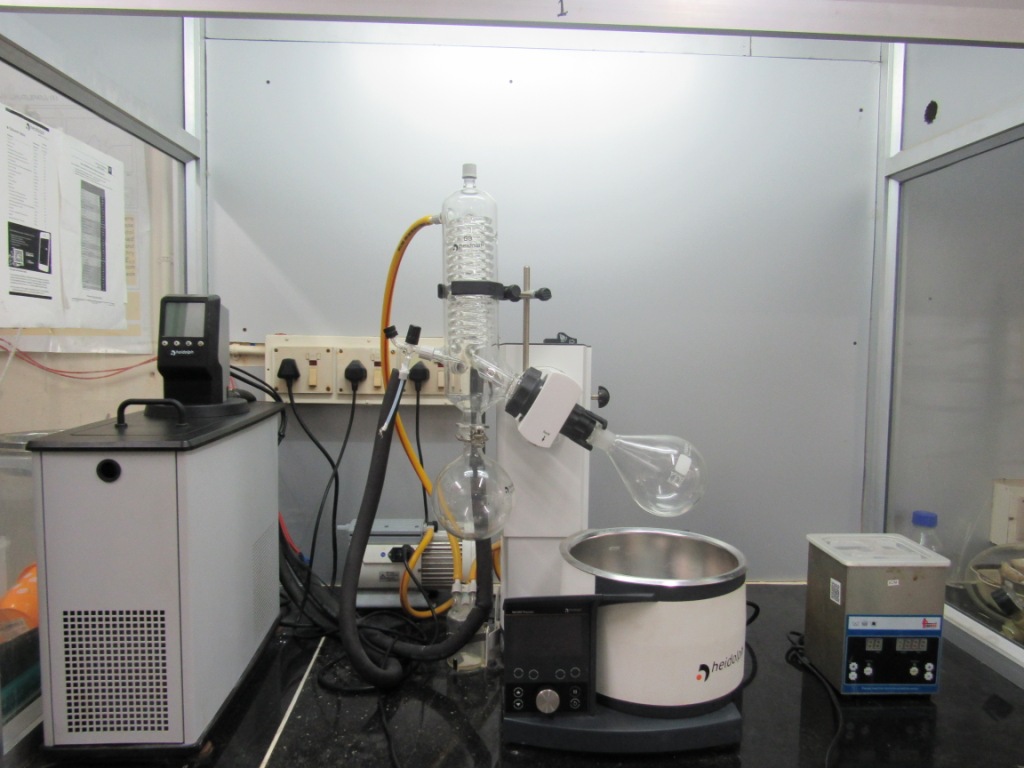
Rotary Evaporator

A rotary evaporator gently removes volatile solvents from reaction mixtures under reduced pressure by rotating the sample flask in a heated water bath. Connected to a vacuum source and condenser, it enables rapid evaporation at lower temperatures to minimize thermal decomposition of sensitive compounds, with the vapours condensed and collected separately.

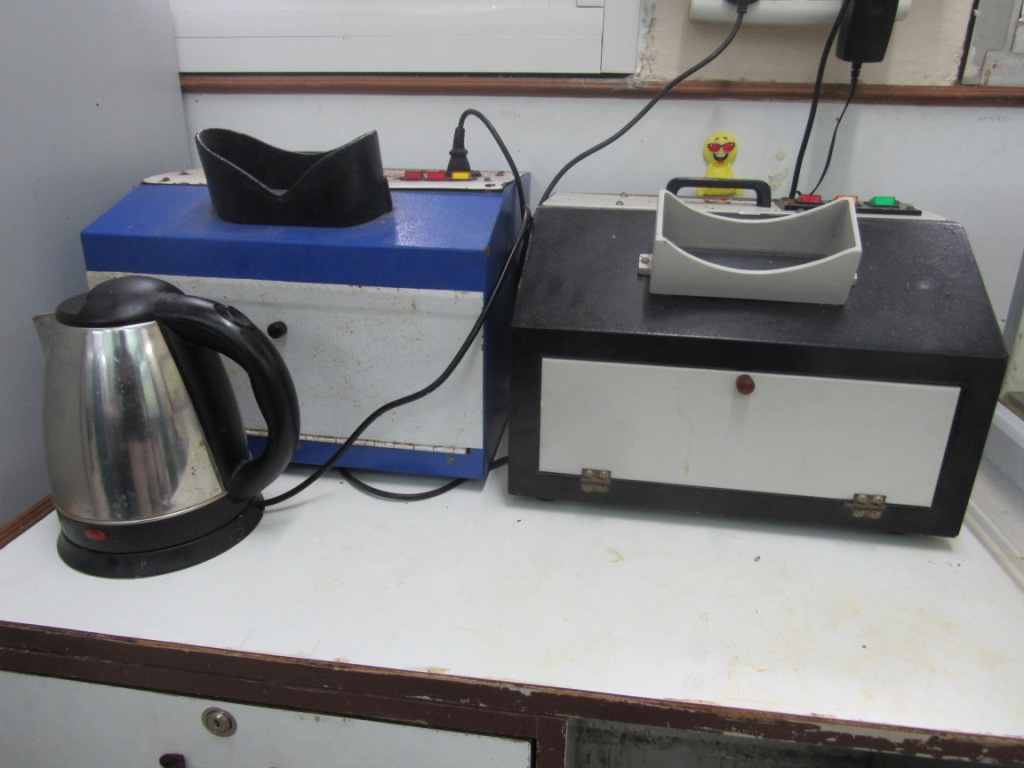
UV-Visible Chamber

A UV-Visible chamber is often a box or cabinet designed for easy viewing and marking of a chromatogram. They are mainly used for chromatographic analysis by Ultraviolet fluorescence or material testing (luminescence/ageing) by exposing items to specific light (UV/near UV/visible).

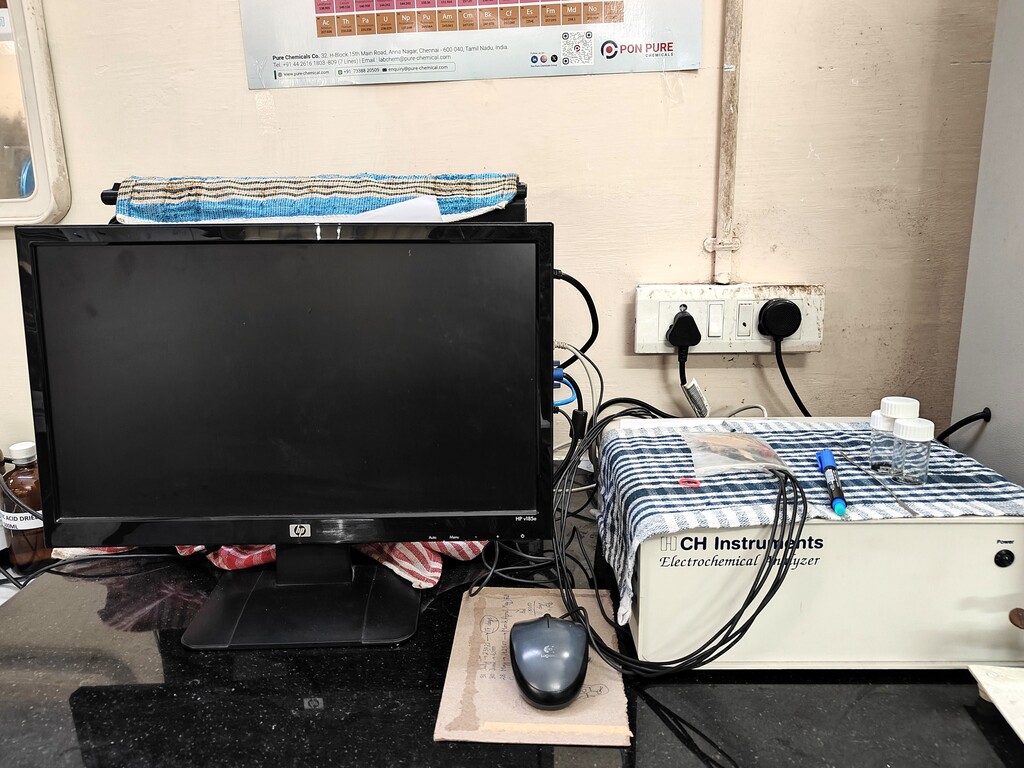
CH Instrument

A CH instrument is a modular electrochemical workstation from CH Instruments, featuring a potentiostat/galvanostat for precise voltammetric and impedance measurements. It supports techniques such as cyclic voltammetry, chronoamperometry, and impedance spectroscopy, with high-speed data acquisition (up to 10 V/s scan rates), making it ideal for studying redox processes in coordination compounds and metal complexes under controlled potentials.

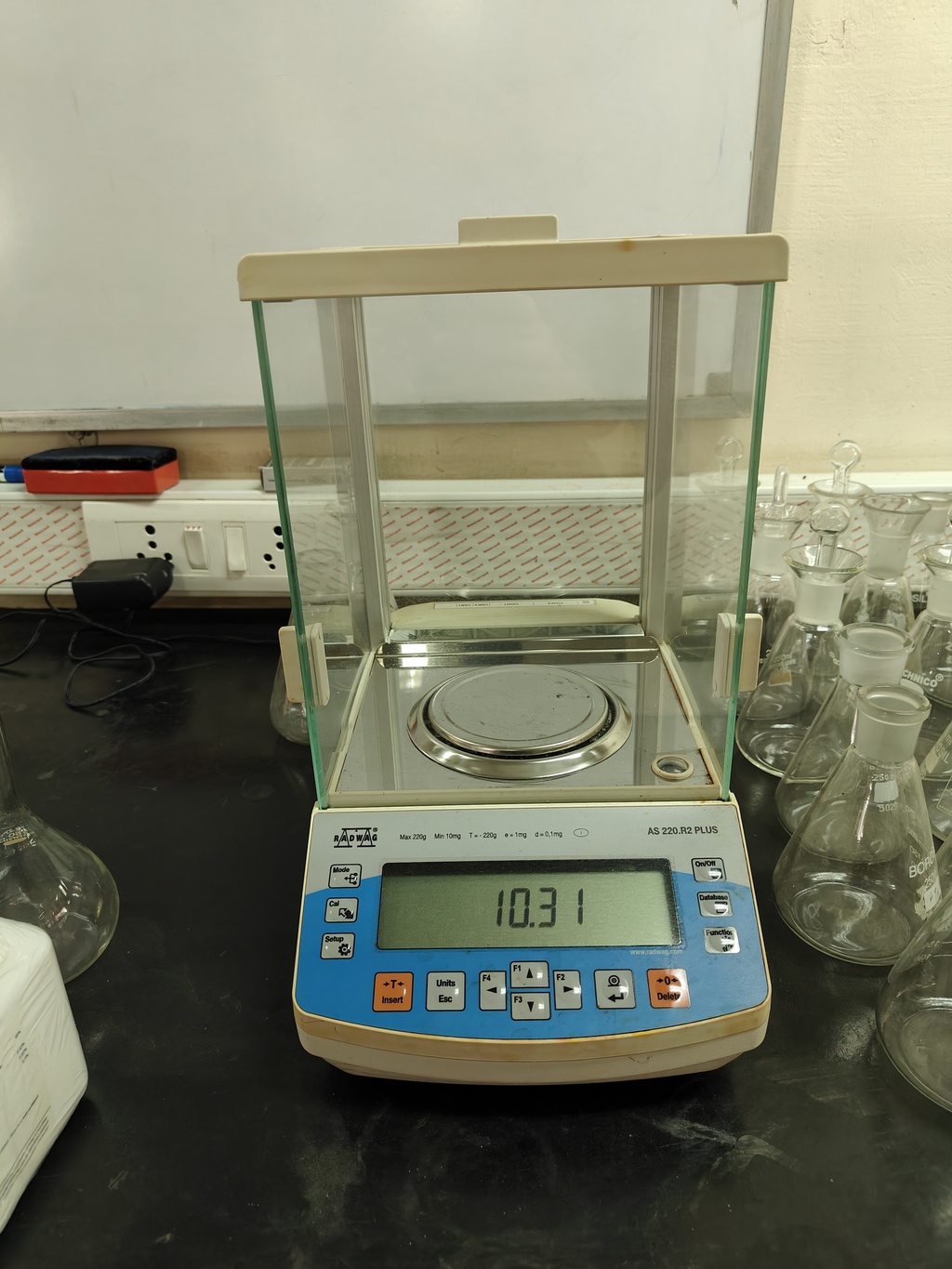
Weighing Balance

The lab features a calibrated analytical weighing balance up to 4 decimal precision for high-accuracy measurement of samples.

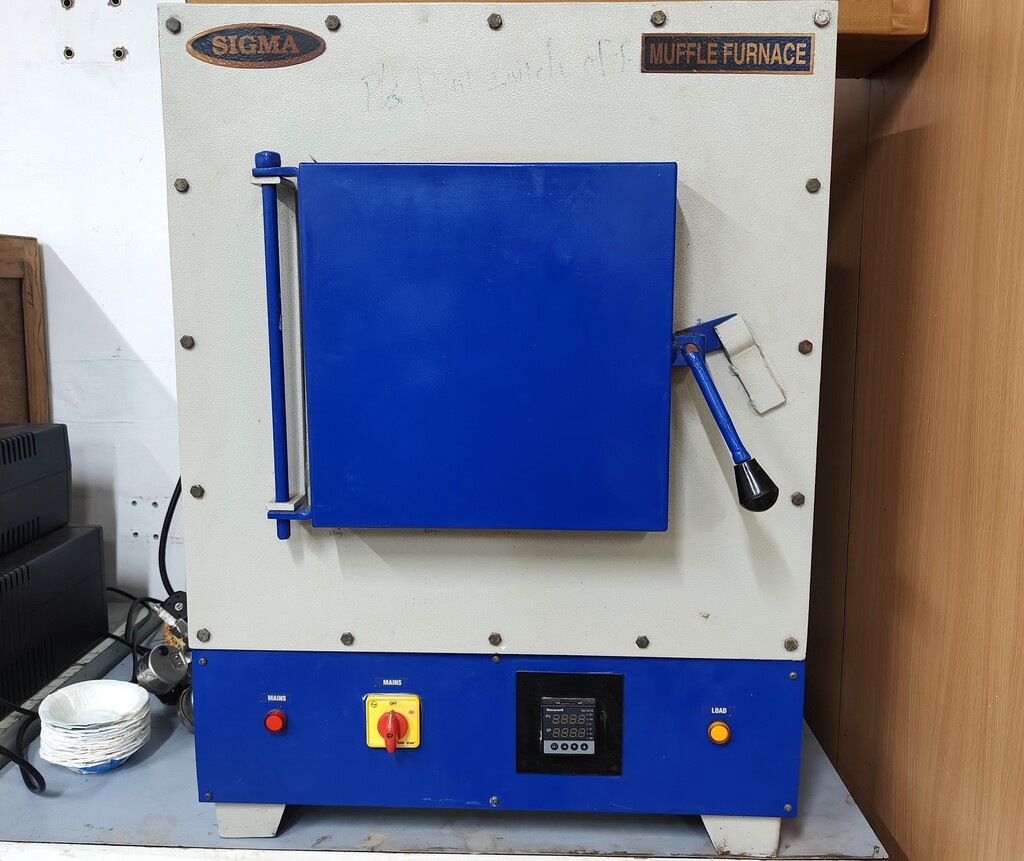
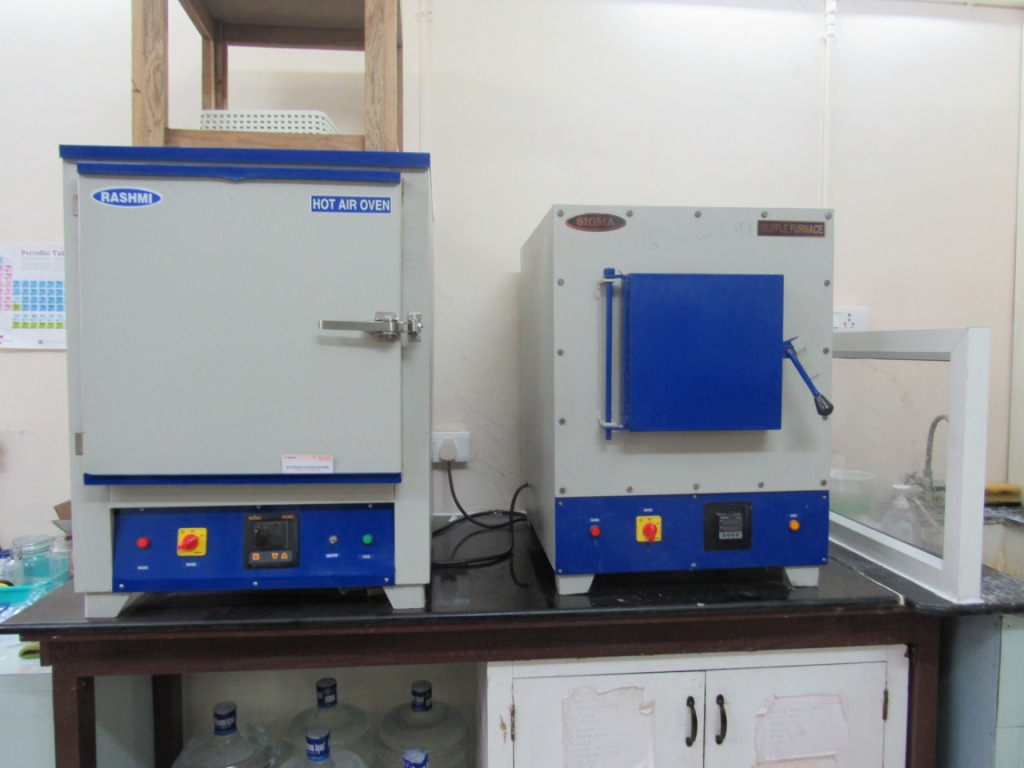
Muffle Furnace

A muffle furnace is a high-temperature oven for heating samples up to 1200 °C or more. It uses an insulated chamber with embedded heating elements to safely ash, anneal, or calcine materials without contamination from direct flames.

60°C and 100°C Oven

A 60 °C or 100 °C oven is a temperature-controlled drying oven used to gently remove residual solvents or moisture from samples without decomposition. It maintains precise temperatures with forced air circulation, making it ideal for drying glassware, precipitates, or air-stable complexes post-synthesis or filtration.

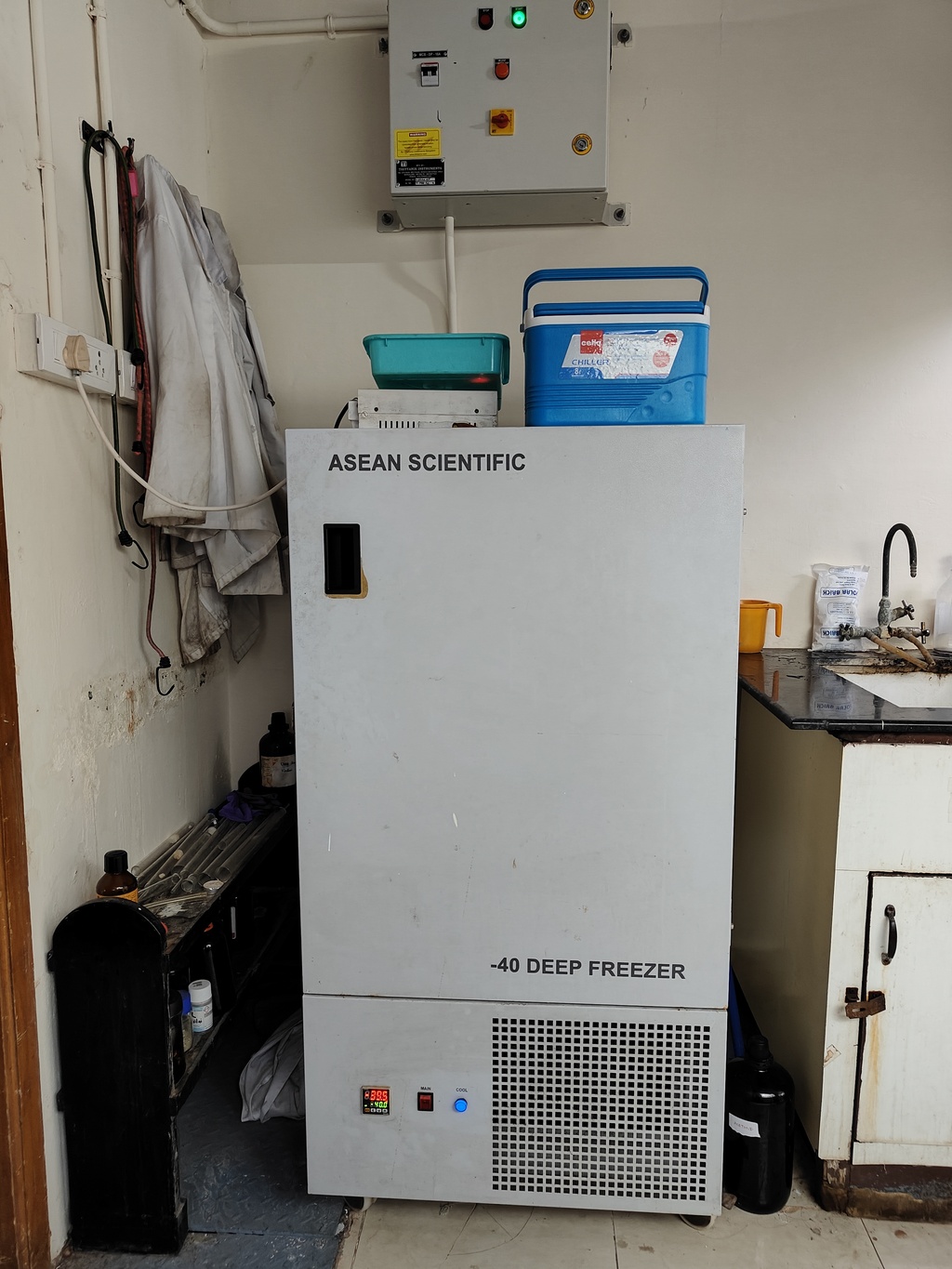
-40 °C Deep Freezer

A -40°C freezer is a laboratory ultra-low-temperature refrigerator for storing reagents, solvents, or organometallic complexes that are prone to decomposition at higher temperatures. It maintains stable sub-zero conditions with precise thermoelectric cooling, especially aiding the crystallization.

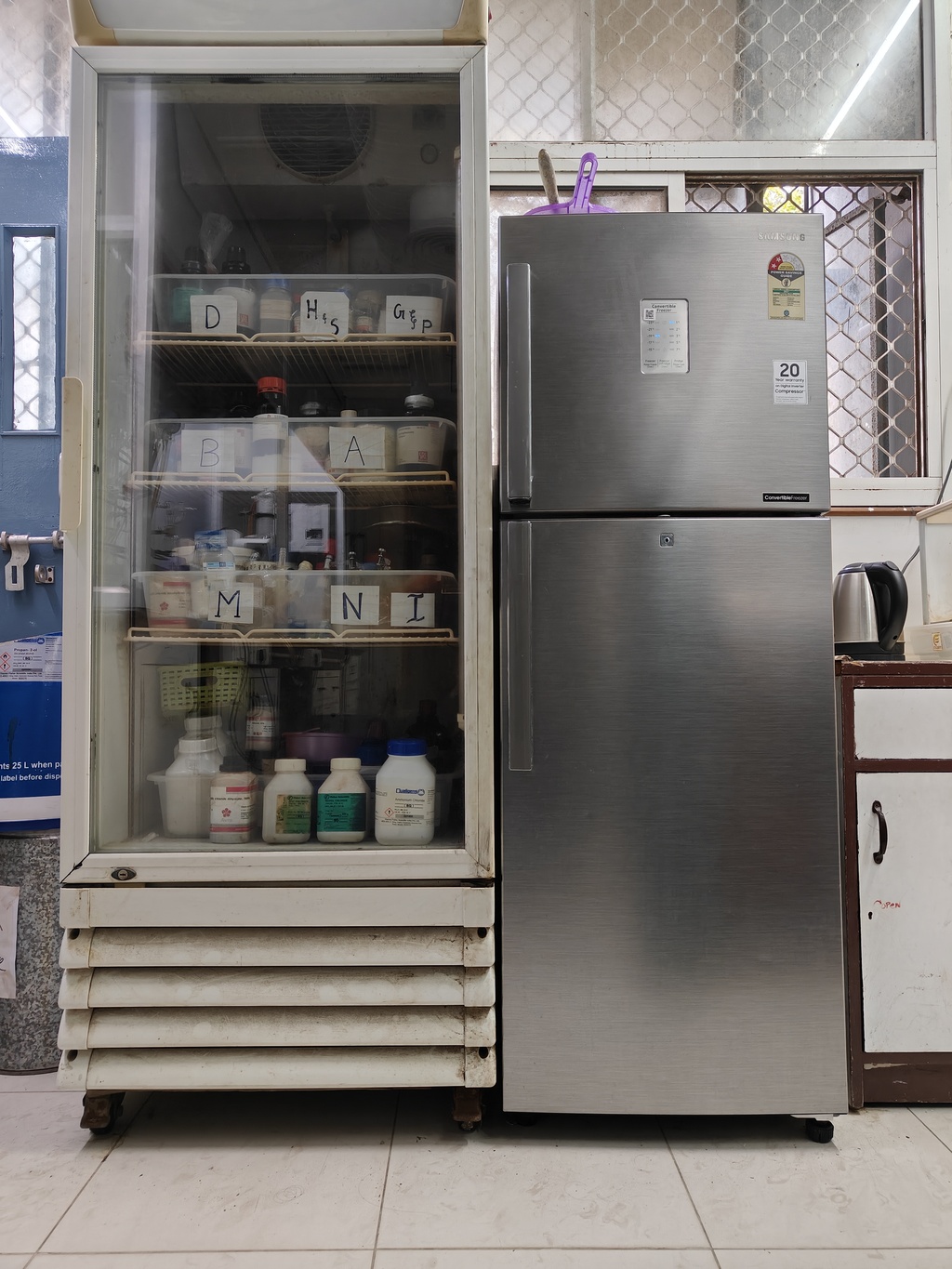
1°C to -23°C Frost-free Convertible Freezer

Equipped with a frost-free convertible freezer offering adjustable temperatures ranging from 1°C to -23°C, ensuring reliable, maintenance-free storage for synthetic chemistry samples, reagents and intermediates.

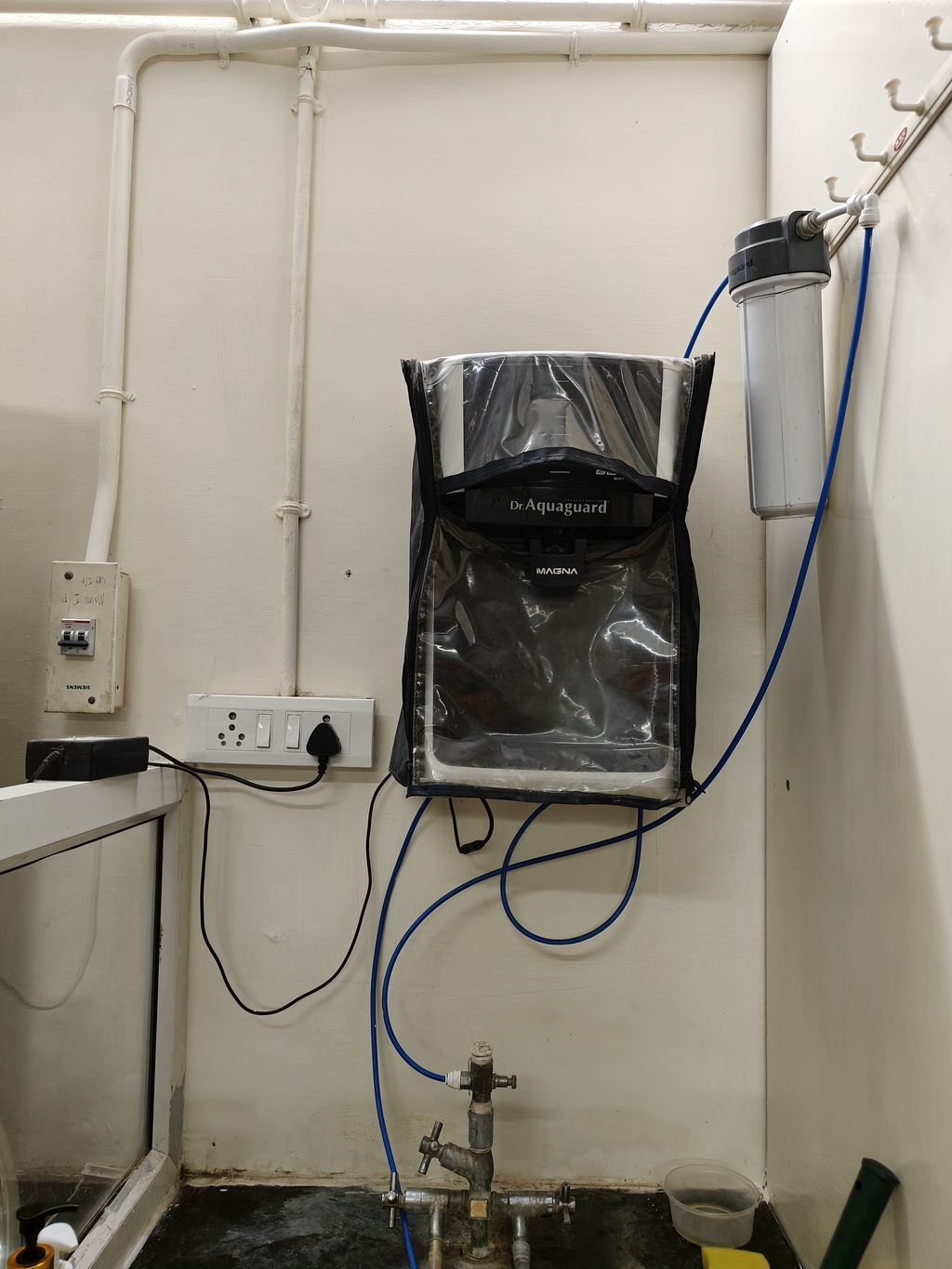
Water RO Purifier

A reverse osmosis (RO) water purifier supplies high-purity deionized water for reagent preparation, glassware rinsing, and sensitive analytical procedures.

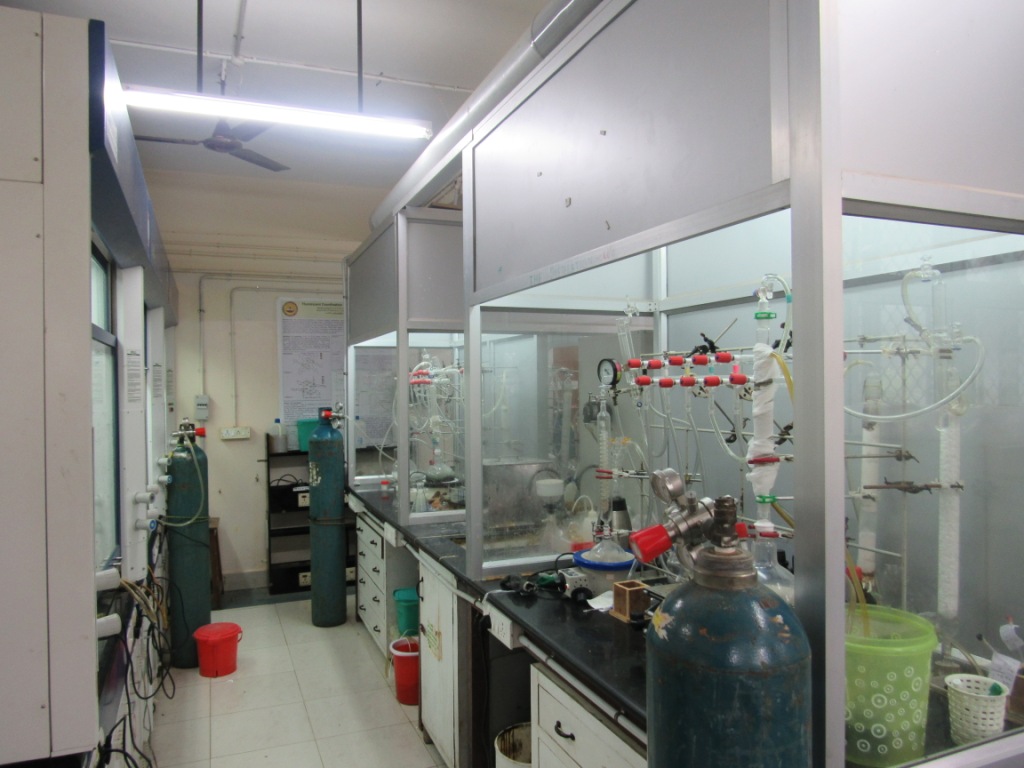
Wet/Working Laboratory

Our experimental laboratory is fully air-conditioned and equipped with ten working hoods, including five fume hoods integrated with efficient ventilation systems.

Seating Workspace

Students are provided with individual desk tables and chairs for reading and writing activities comfortably.

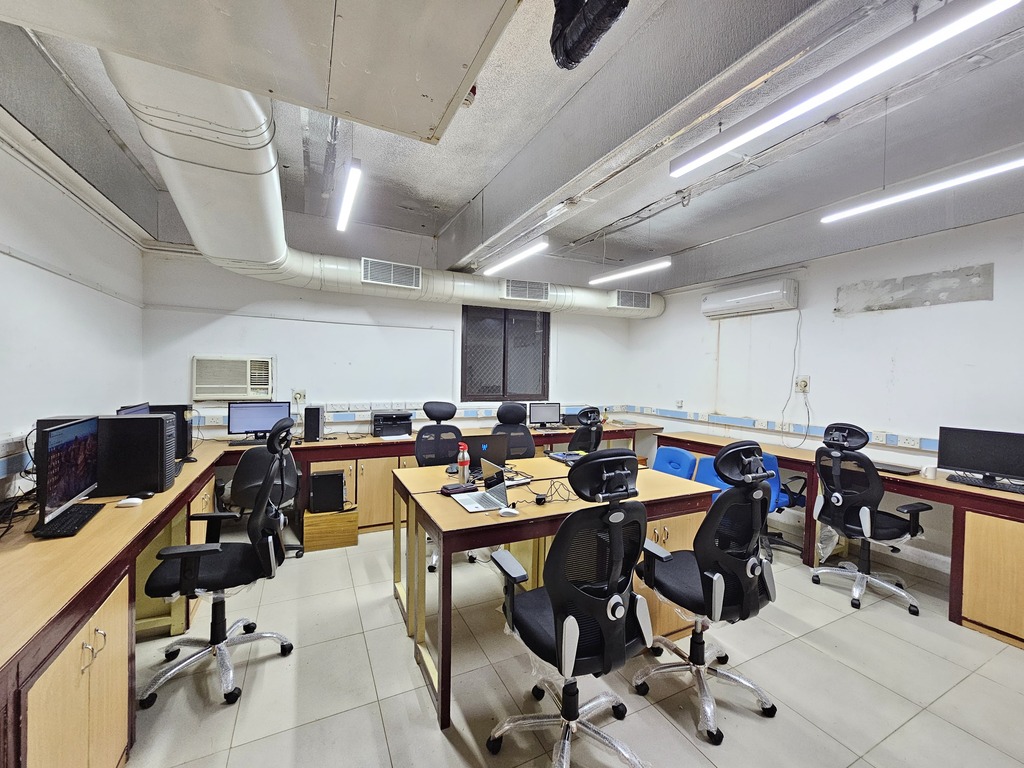
Computational Laboratory

We have five high-performance desktop computers for running theoretical calculations in the IITM cluster.